CCTV does not increase your home insurance bill. In most cases, it lowers it. Insurers see cameras as a sign that you take security seriously, and that lowers their risk. So does CCTV increase home insurance, or cut it? For most homeowners with a monitored or smart camera system, the answer is a discount, not a hike.
This guide from Cam Security Surveillance explains how insurers view security cameras, which systems may qualify for savings, and the other factors that affect your premium. You’ll also learn practical tips, realistic expectations, and smart ways to strengthen your home security while exploring potential insurance savings.
How Home Insurance Companies Evaluate Security Systems
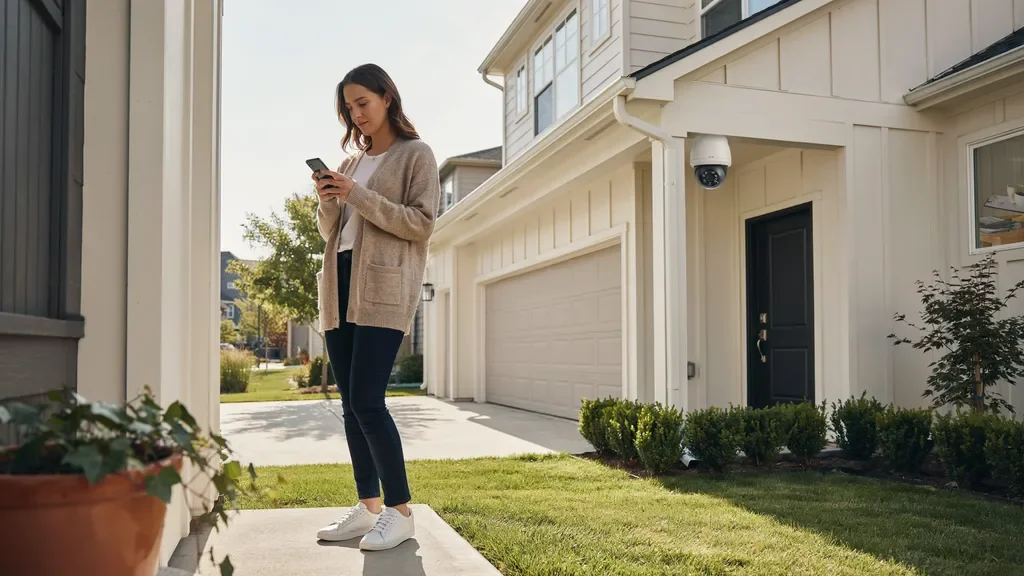
Insurance companies price your policy based on risk. They ask one main question: how likely is a claim, and how big will it be? A home with strong security features is less likely to get burglarized, so insurers reward that with lower rates.
Underwriters look at a few specific factors when reviewing your security setup:
- Whether the system is monitored by a professional company or just records footage
- If cameras connect to local police or alert services during a break-in
- The presence of a working alarm tied to the cameras
- Documentation showing the system is active and maintained
A camera that just records to a memory card without monitoring offers less value to an insurer than one tied to a 24/7 monitoring service. That difference often decides whether you get a discount at all.
Can CCTV Lower Your Home Insurance Premium?
Yes. Many insurers offer discounts ranging from 2% to 20% for homes with security cameras, depending on the provider and the type of system installed. This is one of the clearest answers to does CCTV lower home insurance costs for the average homeowner.
The size of your discount depends on a few things:
- Your insurance company’s specific policy on security devices
- Whether the cameras are part of a full security system or standalone
- Your location and local crime rates
- Whether the system includes professional monitoring
Some insurers bundle camera discounts with other smart home discounts. If you already have smoke detectors or water leak sensors, adding cameras can stack your total savings even higher. Always call your provider and ask directly what discount applies to your setup, since policies vary widely between companies.
Types of CCTV Systems That Insurance Companies Prefer
Not all camera setups carry equal weight with insurers. Generally, cameras and homeowners insurance discounts favor systems with these traits:
Professionally monitored systems. These connect to a central station that alerts authorities during a break-in. Insurers trust these the most because they reduce response time.
Smart camera systems with cloud storage. These store footage off-site, which protects evidence even if a thief steals or damages the camera itself.
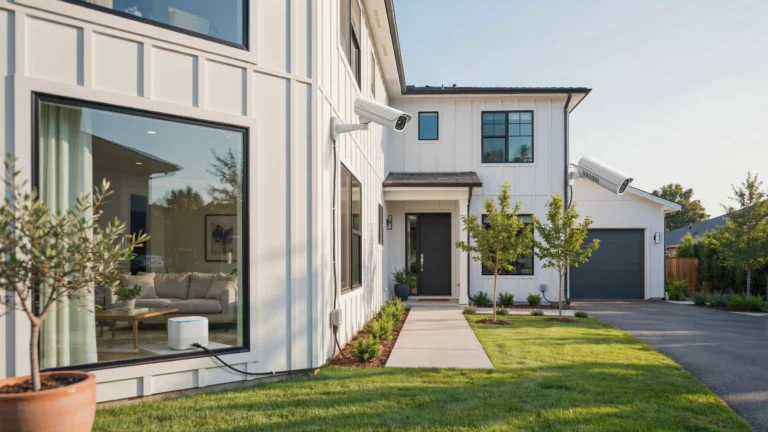
Systems integrated with full home security. Cameras paired with door sensors, motion detectors, and alarms show a layered defense, which insurers view as lower risk.
DIY systems with app alerts. These are better than nothing, but they often qualify for smaller discounts since there’s no guaranteed emergency response.
If you’re shopping for a new system, ask your insurer first which brands or features qualify for discounts. This saves you from buying a system that looks good but doesn’t move the needle on your premium.
Features That May Help You Qualify for Insurance Discounts
Beyond the camera itself, certain features push your application toward approval for insurance discounts for video surveillance. Insurers often look for:
- Motion-activated recording that captures activity around entry points
- Night vision capability for 24-hour coverage
- Two-way audio that can deter intruders in real time
- Cloud backup so footage survives even if hardware is stolen
- Integration with a monitored alarm panel
Documentation matters here. Keep your purchase receipt, installation records, and any monitoring contract. Your insurer will likely ask for proof before applying a discount to your policy.
What Other Security Devices Can Reduce Home Insurance Costs?
Cameras work best as part of a bigger security picture. Home security systems save on insurance premiums more effectively when paired with other devices. Consider these additions:
- Monitored burglar alarms that contact authorities automatically
- Smart locks that prevent unauthorized entry and log access
- Water leak detectors that catch plumbing issues before they cause major damage
- Smoke and carbon monoxide detectors tied to a monitoring service
- Deadbolts and reinforced doors that meet your insurer’s security standards
Many insurance companies offer a combined discount when you install multiple devices instead of just one. A single camera might save you a small percentage, but a full system often unlocks the maximum discount tier available.
Benefits of Installing CCTV Beyond Insurance Savings
Insurance savings are nice, but they’re not the only reason to install cameras. A visible camera system deters break-ins before they happen, since most burglars avoid homes with obvious security. Cameras also give you proof in case of package theft, vandalism, or disputes with neighbors.
For families, cameras add peace of mind. You can check on kids arriving home from school or keep an eye on deliveries while at work. If a claim does happen, footage speeds up the insurance process since you have clear evidence of what occurred. This alone can shorten the time it takes to get a payout after a loss.
Situations Where CCTV May Not Reduce Insurance Premiums
Cameras don’t guarantee a discount in every case. Some insurers don’t offer security device discounts at all, regardless of what you install. Others require a minimum number of devices or a specific monitoring contract before any savings apply.
A few situations where CCTV might not move your premium:
- Your insurer doesn’t track security discounts as part of its pricing model
- The cameras are unmonitored and used only for personal viewing
- You live in an area where burglary risk already plays a small role in your rate
- Your policy bundles security discounts only with full alarm systems, not cameras alone
If your current insurer doesn’t reward camera installation, it’s worth comparing quotes from other providers. Some companies build their entire pricing structure around smart home security, and switching could save you more than staying put.
How to Maximize Insurance Savings with CCTV
Getting the biggest discount takes a bit of strategy. Start by calling your insurer before buying anything, since they can tell you exactly which features qualify. From there:
- Choose a monitored system over a basic recording setup
- Add complementary devices like alarms and smart locks
- Keep all documentation, receipts, and contracts organized
- Notify your insurer immediately after installation
- Ask for a written confirmation of any discount applied to your policy
Review your policy yearly. Insurers update their discount programs, and you might qualify for more savings than when you first installed your system.
Does Professional CCTV Installation Matter?
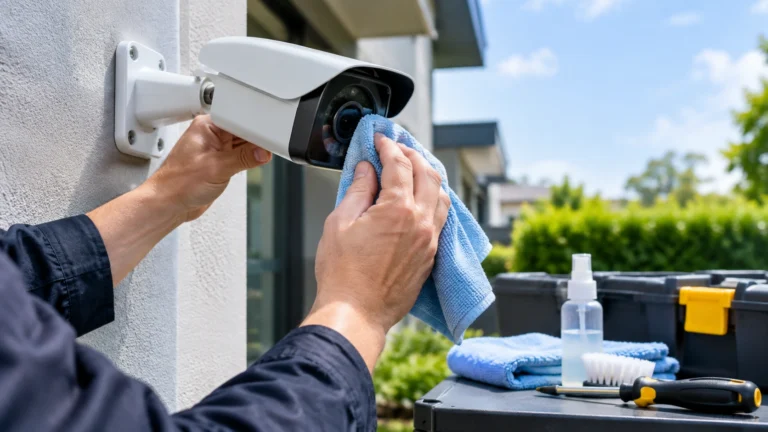
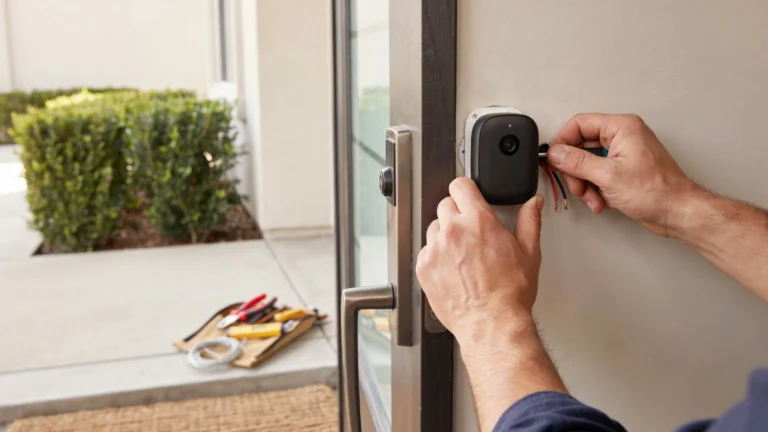
Professional installation often makes a real difference in whether you qualify for a discount. A poorly mounted camera with blind spots or weak Wi-Fi connection won’t impress an insurer, even if the brand is good. Professional installers position cameras to cover entry points, blind corners, and high-traffic areas, which gives insurers more confidence in your coverage.
If you’re searching for reliable security camera installation Indianapolis homeowners trust, working with a licensed provider like Cam Security Surveillance can make the process simple. A trained team sets up your cameras correctly, configures monitoring where needed, and provides documentation your insurer can use to verify your system. This kind of professional setup often qualifies for higher discount tiers than a self-installed kit.
Common Mistakes Homeowners Make
Many people miss out on savings because of small, avoidable errors. Watch out for these common mistakes:
- Not telling the insurer. Installing cameras does nothing for your premium if your provider doesn’t know about it.
- Skipping documentation. Without proof of purchase or monitoring, insurers can’t verify your claim.
- Choosing the cheapest system. Bargain cameras without monitoring rarely qualify for meaningful discounts.
- Ignoring policy renewal. Discounts sometimes need to be reapplied or confirmed at renewal time.
- Assuming all insurers offer the same discount. Rates and percentages vary a lot between providers.
Avoiding these mistakes puts more money back in your pocket each year.
Conclusion
So, does CCTV increase home insurance? For the vast majority of homeowners, the answer is no. Cameras typically lower your premium, especially when paired with monitoring and other security devices. The exact savings depend on your insurer, your system type, and how well you document everything.
If you want the best chance of maximizing your discount, work with a professional installer, choose a monitored system, and always confirm the details with your insurance provider. A well-planned security setup helps protect your home and may also reduce your insurance costs. If you’re ready to upgrade your home security, contact us today.
FAQs
Does CCTV increase home insurance premiums?
No, in most cases CCTV lowers your premium rather than raising it. Insurers see cameras as a risk-reduction tool, not a liability, as long as the system is properly documented.
How much can I save on home insurance with CCTV?
Discounts typically range from 2% to 20%, depending on your insurer and whether the system includes professional monitoring.
Do I need a monitored system to get a discount?
Not always, but monitored systems usually qualify for larger discounts than basic recording-only cameras.
Can installing cameras alone get me the maximum discount?
Usually not. The biggest discounts come from combining cameras with alarms, smart locks, and other security devices.
Will my insurer automatically know I installed cameras?
No. You must contact your insurer directly and provide documentation to apply any available discount.