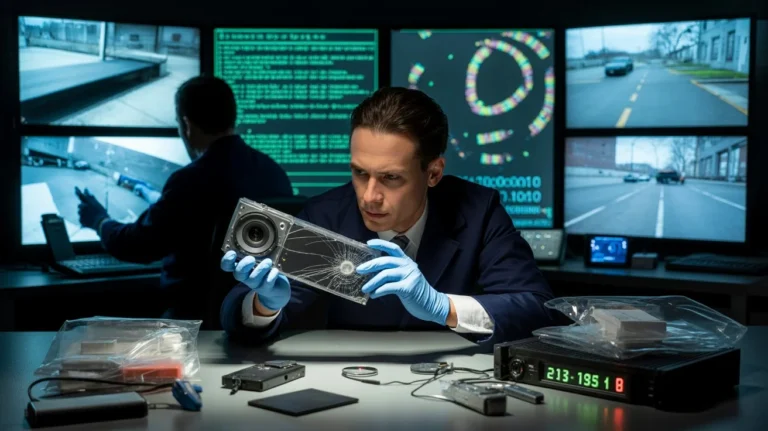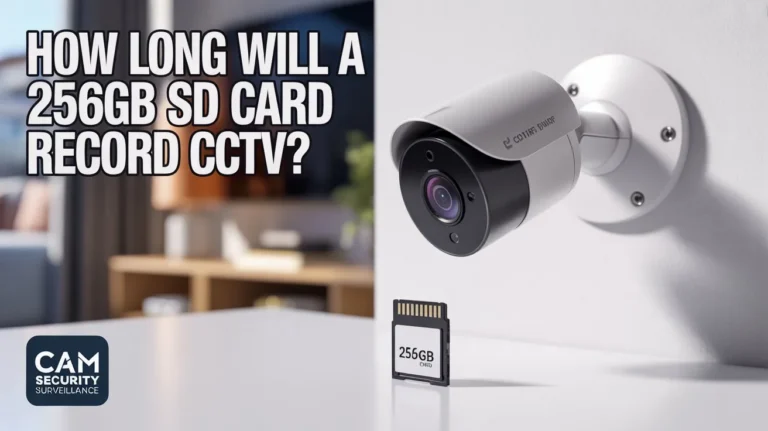
Yes, police can often recover deleted camera footage and it happens more than most people think. When a video is “deleted,” it’s not always gone for good. The data usually stays on the storage device until new footage overwrites it. That window of time is when recovery is possible, sometimes days or even weeks after deletion.
So, can police retrieve deleted camera footage? In many cases, yes. But it depends on how the footage was deleted, how much time has passed, and what type of storage the camera uses. This article covers how it works, when it fails, and what you can do to protect your own footage.
Can Deleted CCTV Footage Really Be Recovered?
The short answer is yes, but not always.
When footage is deleted from a DVR, NVR, or SD card, the system usually just removes the file reference. The actual video data often stays on the drive until new data writes over it. This is called “logical deletion” and it’s how most camera systems work.
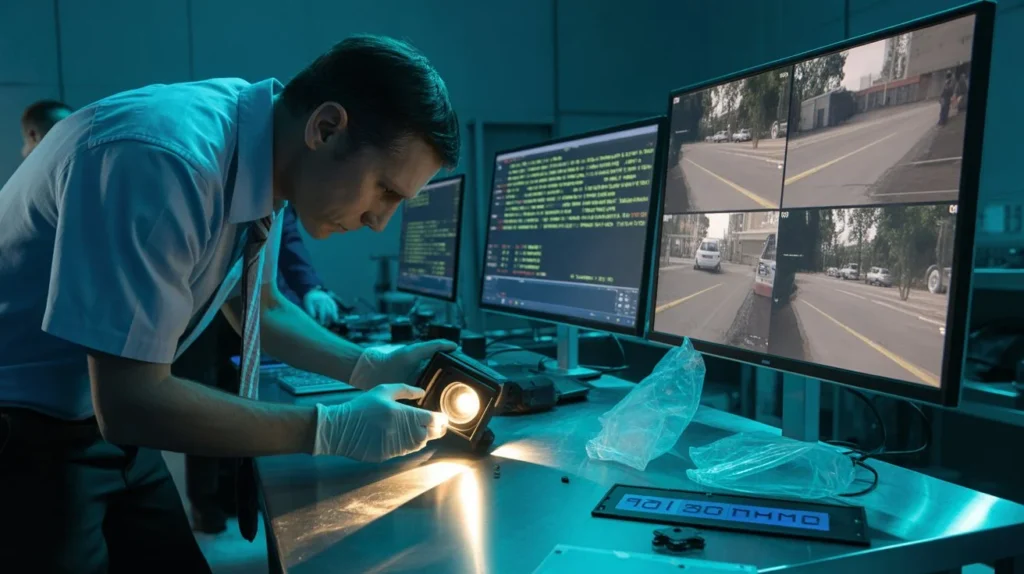
Police and forensic teams use specialized software tools to scan storage devices for this leftover data. If the footage hasn’t been overwritten, they can pull it back.
But there’s a catch. Many security systems use loop recording, where old footage is automatically overwritten by new footage. If too much time passes, that old data gets replaced. At that point, recovery becomes difficult or impossible.
The type of storage also matters. Hard drives (HDDs) used in DVRs and NVRs tend to be more recoverable than flash-based storage like SD cards or SSDs, which handle deletion differently at a hardware level.
How CCTV Footage Gets Deleted
Understanding how deletion works helps explain why recovery is sometimes possible.
Automatic overwriting (loop recording) Most CCTV systems record on a loop. When storage fills up, the oldest footage gets overwritten automatically. This is the most common reason footage disappears without anyone touching the system.
Manual deletion Someone deletes footage intentionally. This could be a property owner, an employee, or even a suspect trying to cover something up. Manually deleted files often leave traces behind, especially on hard drives.
Storage failure SD cards and hard drives fail over time. Corrupted storage can make footage appear deleted even if it technically still exists in fragments on the drive.
Factory reset or formatting A full format wipes more data than a simple deletion but still doesn’t always make footage unrecoverable. Forensic tools can sometimes pull data even after a format, depending on the drive type.
Power loss during recording A sudden power cut mid-recording can corrupt the latest files, making them inaccessible without recovery software.
How Police Recover Deleted Camera Footage
Law enforcement agencies have access to digital forensics tools that most people have never heard of. Here’s how they typically approach recovery.
Step 1: Secure the device Police first seize the storage device, whether it’s an SD card, DVR hard drive, or NVR unit. They create a bit-for-bit copy of the entire drive, called a forensic image, before doing anything else. This protects the original data.
Step 2: Run forensic software Tools like Autopsy, FTK (Forensic Toolkit), and EnCase scan the forensic image for recoverable video data. These tools look for file signatures, which are specific patterns that mark the beginning and end of a video file, even when the file name is gone.
Step 3: Reconstruct fragmented files Footage isn’t always stored in one clean block. It can be scattered in fragments across a drive. Forensic software pieces these fragments back together to rebuild a watchable video.
Step 4: Hand it to an expert For difficult cases, police may send the device to a specialist lab. These labs use advanced hardware-level tools to extract data that software alone can’t reach.
This process answers the question many people have: can police retrieve deleted camera footage even weeks after the fact? In the right conditions, yes.
When Deleted CCTV Footage Cannot Be Recovered
Recovery has limits. There are situations where footage is simply gone for good.
Footage has been overwritten Once new video data writes over the old data, it’s gone. This is the most common reason recovery fails, especially on systems with small storage or high-resolution cameras that fill drives quickly.
Solid-state storage (SSD or SD cards) Flash-based storage uses a process called TRIM, which permanently clears deleted data in the background. On SSDs and many modern SD cards, deleted footage can be wiped quickly and completely. This makes recovery much harder compared to traditional hard drives.
Drive has been physically destroyed If someone smashes a hard drive or burns it, forensic recovery becomes nearly impossible. Extreme physical damage ends most recovery attempts.
Multiple overwrites have occurred If a loop recording system has cycled through the same storage space multiple times, the chance of recovering anything meaningful is very low.
Encryption Some modern CCTV systems encrypt stored footage. If the encryption key is gone, even recovered data files are unreadable.
Factors That Affect CCTV Footage Recovery Success
Not all recovery attempts end the same way. These factors tip the scales.
Time elapsed since deletion The sooner police or investigators act, the better. Every hour that passes is another chance for new footage to overwrite the old.
Storage type HDD-based DVRs give the best chance of recovery. SSDs and SD cards are harder due to TRIM and wear-leveling processes.
Recording mode Continuous loop recording reduces recovery chances. Event-triggered or scheduled recording leaves more free space and buys more time before overwriting.
Camera resolution and bitrate Higher resolution means larger files, which fill storage faster and speed up overwriting. A 4K system overwrites old footage much faster than a 720p setup.
How deletion occurred Simple manual deletion is more recoverable than a full format. Secure erase tools (designed specifically to prevent recovery) can make footage permanently gone.
Can Homeowners Recover Deleted Security Camera Footage?
This is a common question, and the answer is: sometimes, with the right tools.
Homeowners don’t have access to police-grade forensic software, but there are consumer recovery tools available. Programs like Recuva, Disk Drill, and PhotoRec can scan SD cards and USB drives for recoverable video files.
Here’s what works best for DIY recovery:
- Act fast. The sooner you try, the better.
- Stop using the camera immediately. Every second of new recording risks overwriting the deleted footage.
- Remove the SD card or hard drive and connect it directly to a computer.
- Run recovery software on the drive without writing anything to it first.
For DVR or NVR hard drives, the process is similar. Remove the drive, connect it via USB or SATA to a computer, and run recovery software.
That said, results vary. If the footage has already been overwritten, no consumer tool will bring it back. For important cases, hiring a professional data recovery service is worth the cost.
At Cam Security Surveillance, we always advise clients to back up footage to a secondary location, especially if it captures something important. Our security camera installation Indianapolis team can set up automatic cloud backup or local NAS backup so you never rely on a single SD card or DVR drive.
How Long Do Security Cameras Keep Footage?
This varies widely based on the system.
| System Type | Typical Retention |
| Home SD card camera (256GB, 1080p) | 5–14 days |
| DVR/NVR with 1TB HDD | 10–30 days |
| Commercial cloud storage | 30–90 days |
| Business NAS with RAID | 60–180 days |
Most home cameras keep footage for 7 to 14 days before it loops. Commercial systems are often set to 30 days by law or policy, depending on the industry.
If you need to keep footage longer, you need either larger storage, lower resolution settings, or cloud backup with extended retention plans.
What Happens If Someone Deliberately Deletes CCTV Footage?
Deliberately deleting footage to hide evidence is a serious legal issue.
In most countries, destroying evidence relevant to a police investigation is a criminal offense. This includes intentionally deleting security camera footage after an incident. Prosecutors have successfully charged individuals for this even when the original footage couldn’t be recovered.
Can police retrieve deleted camera footage in these cases? They’ll certainly try. Forensic teams look for metadata, timestamps, file system logs, and any remnants of the deleted data. Even if the video itself is gone, the fact that it existed and was deleted can still be used in court.
If you’re ever involved in a situation where your footage might be relevant to a case, do not delete it. Contact your attorney first.
Tips to Prevent Losing Important CCTV Footage
The best recovery strategy is not needing one in the first place.
Set up cloud backup. Most modern cameras support automatic cloud upload. Even a basic plan keeps footage off-site and safe from local drive failure or deletion.
Use a secondary recording device. NVR systems can record to both a local hard drive and a USB backup drive simultaneously.
Increase your storage capacity. Larger drives or higher-capacity SD cards mean more days of footage before overwriting begins.
Enable motion-triggered recording. Instead of recording 24/7, record only when motion is detected. This dramatically reduces how fast storage fills up.
Export important clips immediately. If something happens, don’t wait. Export the relevant clip to a USB drive or cloud folder right away.
Use endurance-rated SD cards. Standard consumer cards fail much faster than high-endurance cards designed for constant recording. Use the right hardware.
Check your system regularly. Review recordings weekly to confirm the system is actually capturing and saving footage correctly.
Conclusion
So, can police retrieve deleted camera footage? Yes, often they can especially if the storage device is seized quickly before new footage overwrites the old. Hard drives give the best chance of recovery. Flash storage like SD cards is harder due to how it handles data deletion.
Time is the biggest factor. The faster a device is secured and examined, the more likely recovery will succeed. For homeowners, basic recovery software can sometimes work. For serious situations, professional forensic labs are the right call.
The smarter move is to protect footage before it’s ever at risk. Use cloud backup, larger storage, and motion detection to keep what matters safe. Contact us today to find the right CCTV storage and backup solution for your property.
FAQs
Can police retrieve deleted camera footage from an SD card?
Yes, sometimes. SD cards are harder to recover than hard drives because of TRIM and wear-leveling processes. But if the card is seized quickly, partial or full recovery may be possible.
How far back can police access CCTV footage?
It depends on the system’s storage capacity and recording settings. Most home systems keep 7 to 14 days. Commercial systems may retain 30 to 90 days. Police can only access what still exists on the storage device.
Can police force you to hand over CCTV footage?
Yes, with a warrant or court order. In some jurisdictions, police can also request footage voluntarily, and refusal can have legal consequences if the footage is relevant to a crime.
What software do police use to recover deleted footage?
Common tools include Autopsy, EnCase, FTK (Forensic Toolkit), and Cellebrite. These are professional-grade tools not available to the general public.
Does deleting CCTV footage destroy the evidence?
Not always. Forensic analysis can sometimes recover deleted footage. And the act of deleting relevant evidence is itself a crime in many jurisdictions.
Can deleted footage from a cloud camera be recovered?
Cloud footage is stored on remote servers. If it’s within the retention window, the provider can retrieve it. Once the retention period ends, it’s usually gone permanently.
How quickly should I report an incident to preserve CCTV footage?
As soon as possible. For most home systems, you have 7 to 14 days before loop recording overwrites the footage. Report it and export clips immediately after an incident.