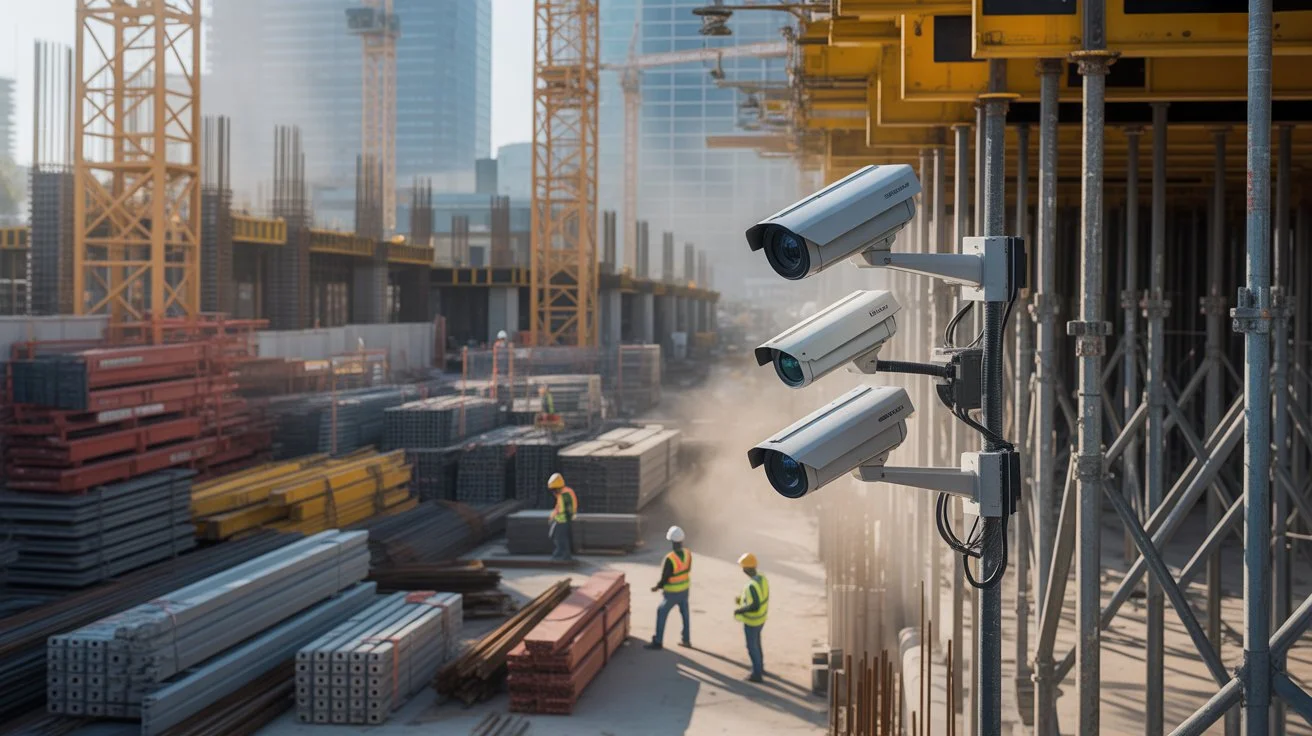
A construction site holds thousands of dollars in tools, machines, and materials, often sitting alone at night with no fence guard in sight. Thieves know this. So do vandals and trespassers looking for an easy target.
This is exactly why we need construction site security cameras on every active job site. They watch the site when your crew can’t, and they catch problems before those problems cost you money.
What Are Construction Site Security Cameras?
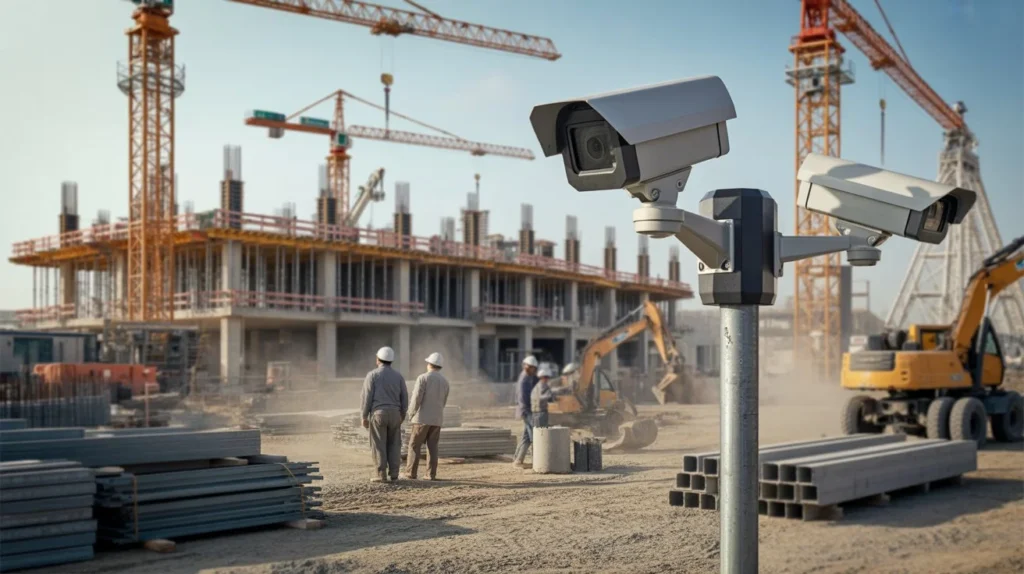
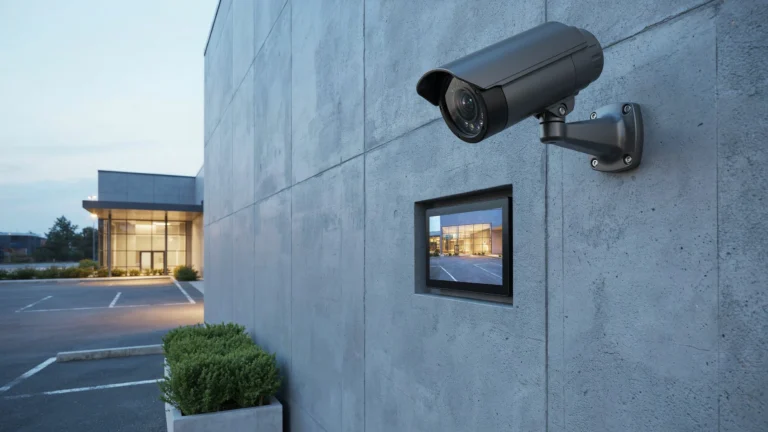
Construction site security cameras are rugged, weatherproof cameras built to monitor a job site around the clock. Unlike regular home cameras, these units handle rain, dust, heat, and cold without breaking down. Many run on solar power or battery packs since most sites don’t have permanent electricity yet.
They usually connect to a cellular network, so you can check live footage from your phone no matter where you are. Many models include motion sensors, night vision, and two way audio to warn off anyone who shouldn’t be there.
Top Reasons Why Construction Site Security Cameras Are Essential
Construction sites are open, exposed, and full of expensive gear. That combination makes them a favorite target for thieves. Here’s why do we need construction site security cameras so badly on these properties.
Theft is common and expensive. Copper wiring, power tools, and heavy equipment get stolen from job sites every day. A single stolen excavator can set your project back weeks.
Vandalism happens more than people admit. Broken windows and damaged materials add up fast. Cameras catch the person responsible, which helps with insurance claims.
Trespassers create liability risks. If someone wanders onto your site and gets hurt, you could face a lawsuit even if they weren’t invited.
Workers need protection too. Cameras give your crew a way to prove what happened if there’s a dispute or an on-site injury.
Insurance companies reward security. Many providers lower your premium once you install a working camera system, since the risk of a payout drops.
Benefits of Construction Site Security Cameras
The benefits go beyond catching a thief in the act. Site cameras change how a project runs day to day.
You get real-time updates on deliveries, so you know the moment materials arrive or go missing. You can check progress from home instead of driving out just to look around. Supervisors can review footage to settle disputes about timelines or damage.
Cameras also improve safety compliance. When workers know they’re being recorded, they wear proper gear and follow site rules more often. This lowers your chance of an accident and the costs that come with it.
Common Security Risks on Construction Sites
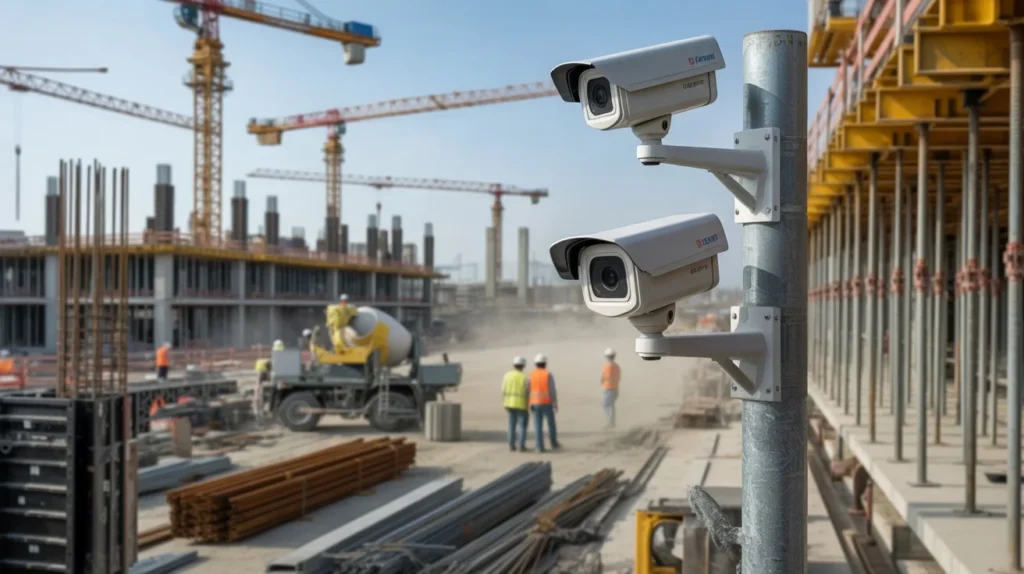
Before picking a camera system, know exactly what you’re guarding against.
- Equipment theft: Generators and drills disappear fast when left unguarded overnight.
- Material theft: Copper pipe and fixtures are easy to resell, which makes them a top target.
- Vandalism: Graffiti and broken fencing cost time and money to repair.
- Arson: Unfinished buildings sometimes get targeted to cause damage or cover up another crime.
- Unauthorized access: Kids, trespassers, or rival contractors walking onto an active site create real danger.
- Internal theft: Not every loss comes from outside. Cameras discourage dishonest behavior from within your own crew too.
Types of Construction Site Security Cameras
Not every camera fits every site. Here are the main types worth knowing about.
Solar powered cameras work well on sites without electricity. They charge during the day and keep recording through the night.
Cellular cameras send footage over a mobile network, so you don’t need Wi-Fi or cables running across the site.
PTZ cameras (pan, tilt, zoom) let you move the lens remotely to focus on a specific spot, useful for large sites.
Thermal cameras detect body heat, great for spotting intruders in total darkness.
Time-lapse cameras capture the entire build from start to finish, handy for marketing and progress reports, not just security.
Key Features to Look for in Construction Site Cameras
Once you understand why do we need construction site security cameras, the next step is picking the right one. Focus on features that actually matter for a job site, not just a long spec sheet.
Look for weatherproof housing rated for rain, snow, and heat. Night vision is a must, since most theft happens after dark. Motion detection with instant phone alerts lets you react the moment something moves. Two way audio lets you speak through the camera to scare off an intruder. Cloud storage keeps your footage safe even if the camera itself gets stolen.
If you’re searching for the best security camera for construction site use, prioritize battery life and signal strength over flashy extras. A camera that dies after two days or loses signal in bad weather won’t protect anything.
Where Should Construction Site Cameras Be Installed?
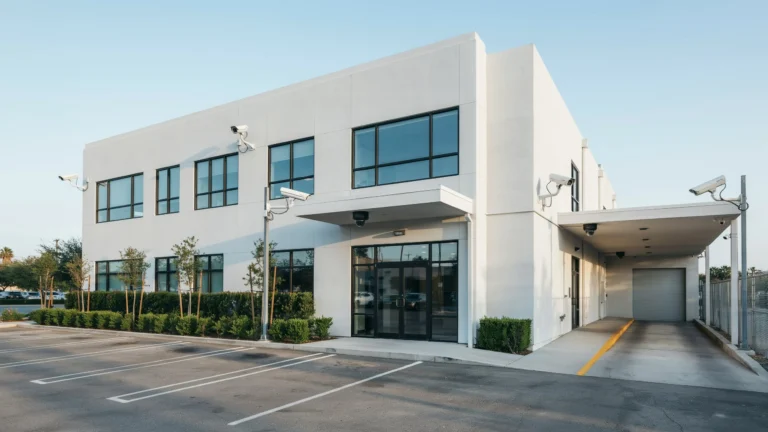
Placement decides how well your system works. Cover the main entrance and exit points first, since that’s where most people come and go. Point a camera at your equipment storage or trailer, since that’s where the most valuable items sit. Watch material stockpiles like lumber and wiring, since these get stolen often. Cover the perimeter fence line so you catch anyone sneaking in from the side. Add a camera near the office trailer to protect paperwork and tools kept on site.
Mount cameras high enough that they can’t be easily reached or knocked down, and angle them to avoid blind spots created by equipment or piles of material.
How Construction Site Cameras Save Money
A camera system costs money upfront, but the savings add up fast once you look at the full picture.
Fewer stolen tools means fewer emergency purchases to replace them. Lower insurance premiums put money back in your pocket every month. Faster dispute resolution means less time and legal cost spent arguing over damage. Better safety compliance means fewer accidents and fewer workers’ comp claims.
Are construction cameras worth it when you add all this up? For most contractors, yes. The cost of one stolen generator often equals a full year of camera rental or ownership.
Are Construction Site Security Cameras Legal?
Yes, security cameras for construction sites are legal in the United States, as long as you follow a few basic rules. You can record public areas of your own property without needing consent. Avoid pointing cameras into private spaces like neighboring homes or trailer bathrooms. Post a visible sign letting people know the site is under video surveillance, since this also acts as a deterrent on its own.
Laws vary slightly by state, so it’s smart to check local rules before recording audio, since some states require two party consent for that.
Best Practices for Construction Site Security
Cameras work best as part of a bigger security plan, not as a standalone fix.
Combine cameras with proper lighting around entry points and storage areas. Use fencing to slow down anyone trying to access the site. Keep an equipment log so you know what’s on site and when. Train your crew to lock up tools every evening before they leave. Review footage regularly instead of only checking it after something goes wrong.
Do construction sites have cameras as standard practice now? More contractors add them with every project, since the cost of skipping security keeps rising along with material prices.
Why Professional Installation Matters
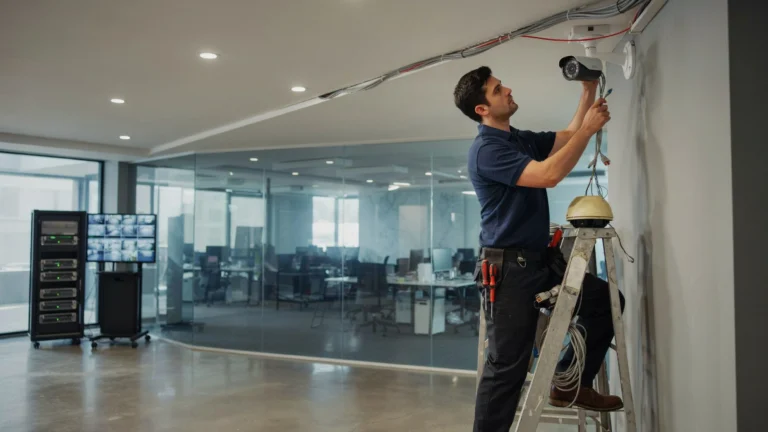
A camera is only as good as its setup. Poor placement or a loose mount can leave gaps that a thief will find. Professional installers know how to angle cameras to avoid blind spots and set up alerts that actually reach your phone in time.
Working with an experienced security camera installation business also means faster troubleshooting if something goes wrong mid project. That’s the kind of support our team at Cam Security Surveillance provides on every job.
Why Choose Cam Security Surveillance
Cam Security Surveillance builds camera systems for job sites, not repurposed home units that struggle outdoors. Our cameras are solar powered, weatherproof, and built to handle dust, mud, and rough handling on an active build.
We handle the full process for you, from choosing the right camera type to setting up remote access on your phone. Our team understands what contractors need, which is why clients trust us across multiple projects.
If you’re searching for the best security camera for construction site protection, we’re happy to walk you through what fits your site and budget.
Conclusion
Job sites are full of expensive equipment sitting out in the open, often with nobody around after hours. That’s why do we need construction site security cameras on every active project, big or small. They stop theft before it happens, protect your crew, lower your insurance costs, and give you proof when something goes wrong.
The cost of one stolen machine can exceed the price of a complete security system. Contact us today to protect your construction site with reliable security cameras.
FAQs
Why do we need construction site security cameras if we already have a night guard?
A guard can’t watch every corner of a large site at once. Cameras cover blind spots and keep recording even during a break or shift change.
Are construction cameras worth it for small residential projects?
Yes. Small sites still hold tools and materials that thieves target. A basic camera setup costs far less than replacing stolen equipment.
Do construction sites have cameras even in rural areas?
Many do, especially solar and cellular models that don’t need Wi-Fi or nearby power lines. Rural sites are often easier targets since help is farther away.
What’s the best security camera for construction site entrances?
A cellular camera with night vision and motion alerts works best, since it catches activity around the clock and sends instant notifications.
Can construction site cameras record audio?
Some models can, but recording laws vary by state. Check your local rules before turning that feature on.