Security cameras are everywhere now. You see them in stores, parking lots, schools, and even neighborhoods. Most people walk past them without a second thought. But others stop and wonder who is watching, where is the footage going, and do I even have a say?
So, are security cameras an invasion of privacy? The short answer is: it depends on where they are, who installed them, and how the footage is used. Cameras in public spaces are generally legal. But pointed into someone’s bedroom window? That crosses a clear line. Let’s break it all down.
What Are Security Cameras?
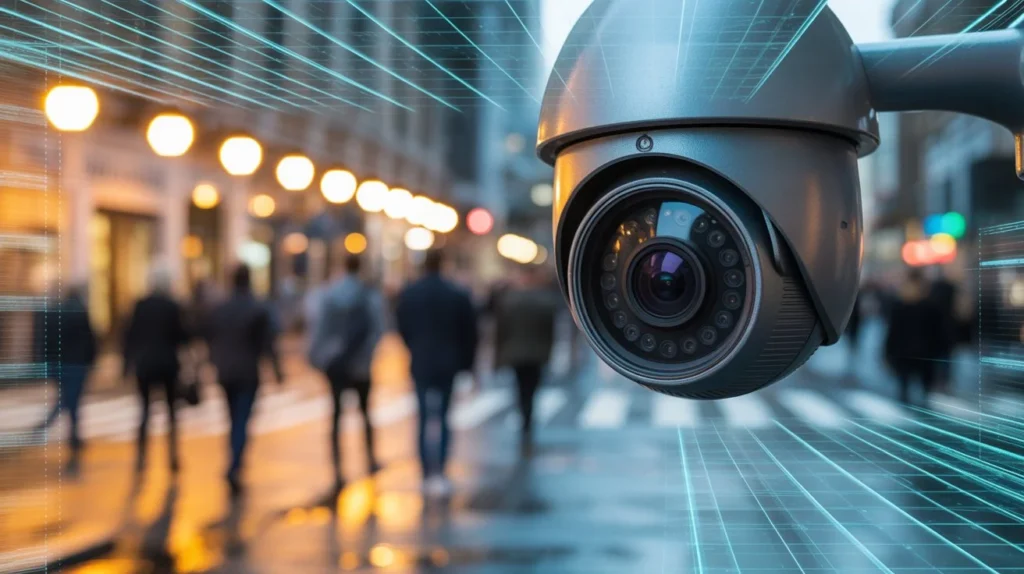
Security cameras, also called surveillance cameras or CCTV (Closed-Circuit Television), capture video footage of a specific area. At Cam Security Surveillance, these systems help homeowners and businesses monitor property, improve safety, and store footage on monitors, recorders, or secure cloud storage.
There are several types:
- Wired cameras — connected via cable to a recording device
- Wireless/IP cameras — connect over Wi-Fi, often accessed remotely
- PTZ cameras — pan, tilt, and zoom to cover wide areas
- Doorbell cameras — capture front-door activity (like Ring or Nest)
- Body cameras — worn by law enforcement
Modern cameras do more than record. Many now include motion detection, facial recognition, night vision, and two-way audio.
Why People Use Security Cameras
People install cameras for real, practical reasons. Here are the most common:
Home protection. Homeowners want to deter burglars. Studies show that visible cameras reduce break-in attempts. A camera at your front door gives you evidence if something happens.
Business security. Retailers use cameras to prevent shoplifting and employee theft. Warehouses use them to monitor goods. Banks and offices use them for compliance and safety.
Child and elder care monitoring. Parents watch nanny cams for peace of mind. Families use cameras in care homes to check on elderly relatives.
Traffic and crowd management. Cities use cameras to manage traffic flow and respond faster to accidents or emergencies.
Crime deterrence and evidence. Police departments use camera footage to solve crimes. Doorbell camera footage has helped identify porch pirates, hit-and-run drivers, and even violent criminals.
The motivation behind most camera use is safety. That’s legitimate. But good intent doesn’t automatically make every installation ethical or legal.
Understanding Privacy Concerns
Privacy is a basic right. It means you control what others know about you and when they can observe you.
Cameras challenge that. Here’s why people are concerned:
Constant surveillance changes behavior. Research in behavioral psychology shows that people act differently when they know they’re being watched. This is called the “chilling effect.” You might feel less free to speak, move, or act naturally under a camera.
Data misuse is a real risk. Footage stored in the cloud can be hacked. It can be sold, shared, or accessed by parties who were never meant to see it.
Facial recognition raises the stakes. Basic cameras record faces. But AI-powered cameras can now identify you by name, link you to a database, and track where you go. That’s a completely different level of surveillance.
Domestic surveillance and abuse. Security cameras inside homes have been used by abusive partners to monitor and control victims. What starts as “security” becomes a tool for harm.
Neighbor disputes. A camera pointed at your property that captures your neighbor’s backyard, bedroom window, or daily routine can create serious legal and ethical problems.
The privacy concern isn’t paranoia. It’s a reasonable response to tools that can record, store, and share your life without your knowledge.
Are Security Cameras Legal?
Yes, in most cases, security cameras are legal. But the law has limits.
In the United States, you can legally install cameras on your own property. You can record common areas, your front yard, driveway, or business entrance. What you cannot do is record in spaces where people have a “reasonable expectation of privacy.” That includes bathrooms, bedrooms, changing rooms, and private conversations in some states.
Public spaces — sidewalks, parking lots, and shopping centers are generally fair game for surveillance. Courts have ruled repeatedly that you have no expectation of privacy in a public space.
Workplace surveillance is legal in many states, but employers must notify employees in most cases. Recording without notice can trigger lawsuits under wiretapping laws.
State laws vary. California has stronger privacy protections than most states. Illinois requires consent before using facial recognition technology. New York City has rules about how long footage from public cameras can be stored.
Recording audio is trickier. Many states require all parties to consent before recording audio. Video-only surveillance is usually simpler to comply with.
If you’re in Indiana and want cameras installed that meet local compliance standards, Cam Security Surveillance offers professional CCTV installation services Indianapolis that follow state and local regulations from start to finish.
Always check your local laws before installing. When in doubt, consult a local attorney or a licensed installer.
Advantages of Security Cameras
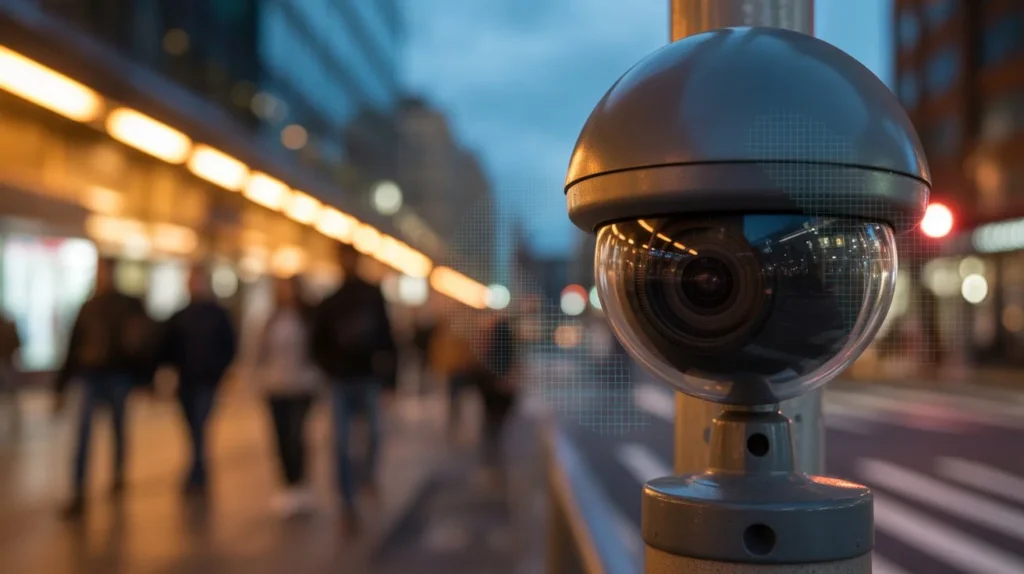
Let’s be honest about the real benefits:
- Crime deterrence. A visible camera makes criminals think twice. This is not theoretical. Studies by Rutgers University found that security cameras reduced crime in Newark, New Jersey by a measurable percentage in monitored areas.
- Real-time monitoring. Business owners can watch their property remotely. Parents can check on kids at home. Cameras give you visibility when you can’t be physically present.
- Faster emergency response. Cameras help 911 dispatchers and first responders understand what they’re walking into. In schools and hospitals, this saves lives.
- Evidence for legal cases. Camera footage is accepted as evidence in court. It has exonerated innocent people and helped convict guilty ones.
- Lower insurance premiums. Many insurance companies offer discounts for homes and businesses with verified security systems including cameras.
- Employee accountability. In workplaces, cameras reduce internal theft and improve productivity when employees know activity is monitored.
- Peace of mind. Simply knowing you can check your property from anywhere reduces stress for homeowners and business owners alike.
Disadvantages of Security Cameras
The downsides deserve equal attention:
- Invasion of personal space. Cameras installed incorrectly or pointed at neighboring properties can violate privacy in ways that damage relationships and lead to legal trouble.
- Data security risks. IP cameras connected to the internet are vulnerable to hacking. In 2021, a major hack exposed footage from over 150,000 security cameras across hospitals, schools, and Tesla facilities.
- False sense of security. A camera doesn’t stop a crime in progress. It records it. Unless connected to an alarm or monitoring service, it’s a reactive tool, not a preventive one.
- Cost and maintenance. Quality camera systems aren’t cheap. Installation, cloud storage, and ongoing maintenance add up. And outdated equipment can fail exactly when you need it.
- Surveillance fatigue. Being constantly recorded can erode trust in communities and workplaces. Employees under heavy surveillance report higher stress levels and lower job satisfaction.
- Bias in AI surveillance. Studies, including research from MIT Media Lab, have shown that facial recognition technology has higher error rates for darker-skinned faces. This can lead to wrongful identification and discriminatory outcomes.
Public Surveillance vs. Private Surveillance
These are two very different things.
Public surveillance is run by governments, city agencies, or law enforcement. Traffic cameras, police body cameras, and city-wide CCTV networks fall into this category. There is little you can do to opt out of public surveillance in most jurisdictions. Courts have largely upheld this as constitutional.
Private surveillance is owned and operated by individuals, businesses, or organizations. Your neighbor’s Ring camera. The camera in your office. The hidden nanny cam.
The key difference is accountability. Public surveillance is subject to government oversight, FOIA requests, and legal scrutiny. Private surveillance often has fewer checks.
When private surveillance footage gets into the wrong hands, there’s no government oversight to protect you. That’s why private camera use carries more ethical responsibility than public surveillance.
Ethical Questions About Surveillance
Law and ethics aren’t always the same thing. Something can be legal and still feel wrong.
Consent matters. Did the person being recorded agree to it? In a store, a sign at the entrance counts as notice. In a home where someone is a guest, it’s murkier.
Purpose matters. A camera to protect a shop from theft is different from a camera to track employees’ bathroom breaks. The same technology serves very different goals.
Proportionality matters. Does the level of surveillance match the actual risk? A camera on every ceiling of a small office might be excessive. A camera at a bank vault is expected.
Who has access? Footage should only be accessible to people with a legitimate reason to view it. The more people who can see recordings, the higher the risk of misuse.
How long is it stored? Keeping footage for 30 days is standard. Keeping it for years without reason creates unnecessary risk for everyone recorded.
These questions don’t have universal answers. But asking them is essential before installing any camera system.
How to Use Security Cameras Responsibly
You can use cameras and still respect privacy. Here’s how:
- Notify people. Post visible signs if cameras are in use. In most states, this also satisfies legal notice requirements.
- Point cameras only at your property. Avoid capturing neighbors’ yards, driveways, or windows. Adjust angles before finalizing installation.
- Secure your system. Use strong passwords for IP cameras. Enable two-factor authentication. Update firmware regularly. Use a separate network for your cameras.
- Limit access. Only give camera access to people who need it. Keep a log of who viewed footage and when.
- Set a footage retention policy. Decide how long you’ll store recordings. Thirty days is common for businesses. Delete older footage on a schedule.
- Never install cameras in private spaces. No bathrooms, no bedrooms, no changing areas. Full stop.
- Have a reason. If you can’t clearly explain why a camera is in a specific location, reconsider installing it there.
Responsible use isn’t complicated. It just requires intentional thinking before you point a camera anywhere.
Signs That Security Cameras May Cross Privacy Boundaries
Not all surveillance is equal. Watch for these red flags:
- A camera is installed without any notice or signage
- The camera points directly into a private space (bedroom, bathroom, changing area)
- The camera is hidden inside everyday objects (smoke detectors, clocks, USB chargers)
- Only one person controls footage access and refuses to allow oversight
- The camera captures a neighbor’s property without their knowledge
- Footage is used for purposes beyond the stated reason (e.g., monitoring employee personal conversations)
- A partner or family member uses a camera to track your movements or control your behavior
If you notice any of these, you may be dealing with surveillance that crosses legal or ethical lines. Document what you see and consult a local attorney or contact law enforcement if you feel your privacy is being violated.
The Role of AI in Modern Surveillance
This section deserves its own space because AI has fundamentally changed what cameras can do.
Modern surveillance cameras aren’t just recording video. They’re processing it in real time.
AI-powered cameras can identify faces, detect emotions, recognize license plates, flag unusual behavior, and even predict when a person might commit a crime. This is already happening in airports, shopping centers, and smart cities.
The concern is real. Predictive policing based on AI surveillance has been criticized for racial bias and lack of transparency. In San Francisco and other cities, laws have been passed to limit government use of facial recognition technology precisely because of these risks.
As a consumer or business owner, it’s worth knowing what your camera system is actually doing. If you’re using a cloud-connected camera with AI features, read the privacy policy. Know what data is collected, who can access it, and how long it’s stored.
The line between helpful surveillance and invasive monitoring is getting blurrier every year. That’s not a reason to avoid cameras entirely. But it is a reason to pay close attention.
Future of Surveillance Technology
The next decade will bring changes that most people aren’t prepared for.
Wider facial recognition. More businesses and cities will adopt facial recognition. Regulation will likely follow, but slowly.
Drone surveillance. Drones with cameras are already used by police departments. Consumer drones are increasingly used for neighborhood watch programs. Rules around drone surveillance are still catching up.
Smart home integration. Cameras will become more deeply embedded in smart home systems. Your doorbell, thermostat, and security system may all share data. Privacy implications are significant.
Biometric surveillance beyond faces. Gait recognition (identifying you by how you walk), voice recognition, and even heartbeat identification are in development. These work from a distance and don’t require you to look at a camera.
Edge AI processing. Rather than sending footage to the cloud, cameras will process data locally. This improves speed but also means cameras can make decisions without human review.
How society handles these tools will depend on lawmakers, companies, and individuals. Public pressure and informed consumers push companies toward better privacy practices. That starts with people asking the right questions.
Conclusion
So, are security cameras an invasion of privacy? They can be. But they don’t have to be.
A camera installed with clear notice, pointed only at your own property, secured properly, and used for a legitimate reason is a reasonable safety tool. A hidden camera pointed into a neighbor’s window or used to control someone is an invasion, full stop.
The technology itself is neutral. How it’s used is what matters.
If you’re a homeowner, business owner, or property manager thinking about cameras, take the time to understand local laws, communicate openly with those who will be recorded, and build your system with both security and privacy in mind.
The best camera system is one that protects your property without violating someone else’s rights. If you need help choosing the right setup, placement, or monitoring system, contact us at Cam Security Surveillance today.
FAQs
Are security cameras an invasion of privacy in public spaces?
No, in most cases. Courts have ruled that you have no expectation of privacy in public areas. Cameras in parks, streets, and parking lots are generally legal.
Can my neighbor’s security camera point at my house?
If it captures public-facing areas of your property, like your driveway or front yard, it’s typically legal. If it points into your backyard or windows, that may violate privacy laws depending on your state.
Are hidden cameras legal?
In most states, hidden cameras are legal in common areas but illegal in spaces where privacy is expected (bathrooms, bedrooms). Recording audio without consent is illegal in many states.
Can employers legally monitor employees with cameras?
Yes, but they usually must provide notice. Secret recording, especially of private conversations, can violate wiretapping laws.
What should I do if I find a hidden camera?
Don’t disturb it. Document its location. Contact local law enforcement or a privacy attorney immediately.
How do I know if my security camera system is secure?
Use strong, unique passwords. Enable two-factor authentication. Keep firmware updated. Use a dedicated network for cameras. Audit access regularly.
Do I need to tell visitors my home has cameras?
It varies by state. In most of the U.S., you’re not legally required to tell visitors about outdoor cameras. Indoor cameras in common areas are grayer territory. When in doubt, disclose.